The New Pilgrim · https://thenewpilgrim.news/features/tom-cleverley-interview-part-1-16847
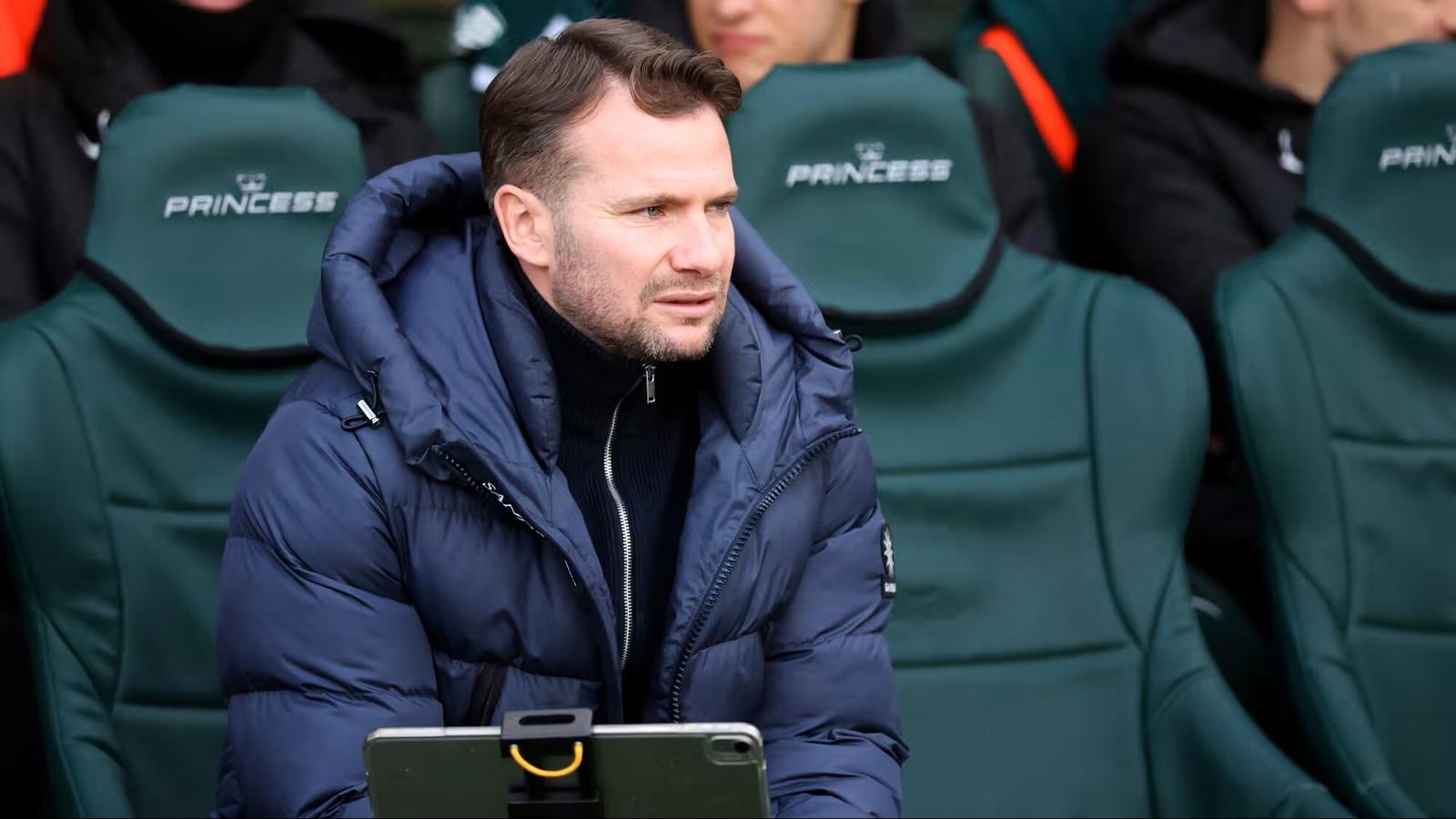

Tom Cleverley Interview Part 1: "I'm a back four coach"
31.12.25, 03:00 Updated 01.01.26, 11:07 8 Minute Read
Just before Christmas, The New Pilgrim sat down with Tom Cleverley to talk about his career, his philosophy and, of course, being the head coach of Plymouth Argyle.
This is Part One.
Was becoming a coach something you always wanted to do when you were playing?
Yes. It was something that became really apparent to me when I was in my mid to late 20s. I returned back to Watford as a player, to a dressing room, that wasn’t a bad dressing room but had 19 different nationalities.
There were a lot of young players and they needed a senior figure and I enjoyed that responsibility of offering them on pitch support, off the pitch support. And that’s where I grew a fondness of helping people, supporting young players. And that is two of the big things, the passions, you need to have as a coach.
So in my late twenties, I did the B licence, early thirties did A licence and did a few more, educational things through the FA. Literally, the day. I chose to retire as a player and the next day, I accepted the job to be the under-18 coach at Watford.
Were you then thinking like a coach while you were still playing?
There were certainly times that if a coach delivered a good session. I'd go home, I'd write it down. I built up a portfolio of coaching sessions before I'd even delivered one. I was really appreciative of Chris Wilder who, when he was at Watford manager, knew my ambition to be a coach. I was a long-term injury when I was there and he allowed me to sit on his staff during my rehab.
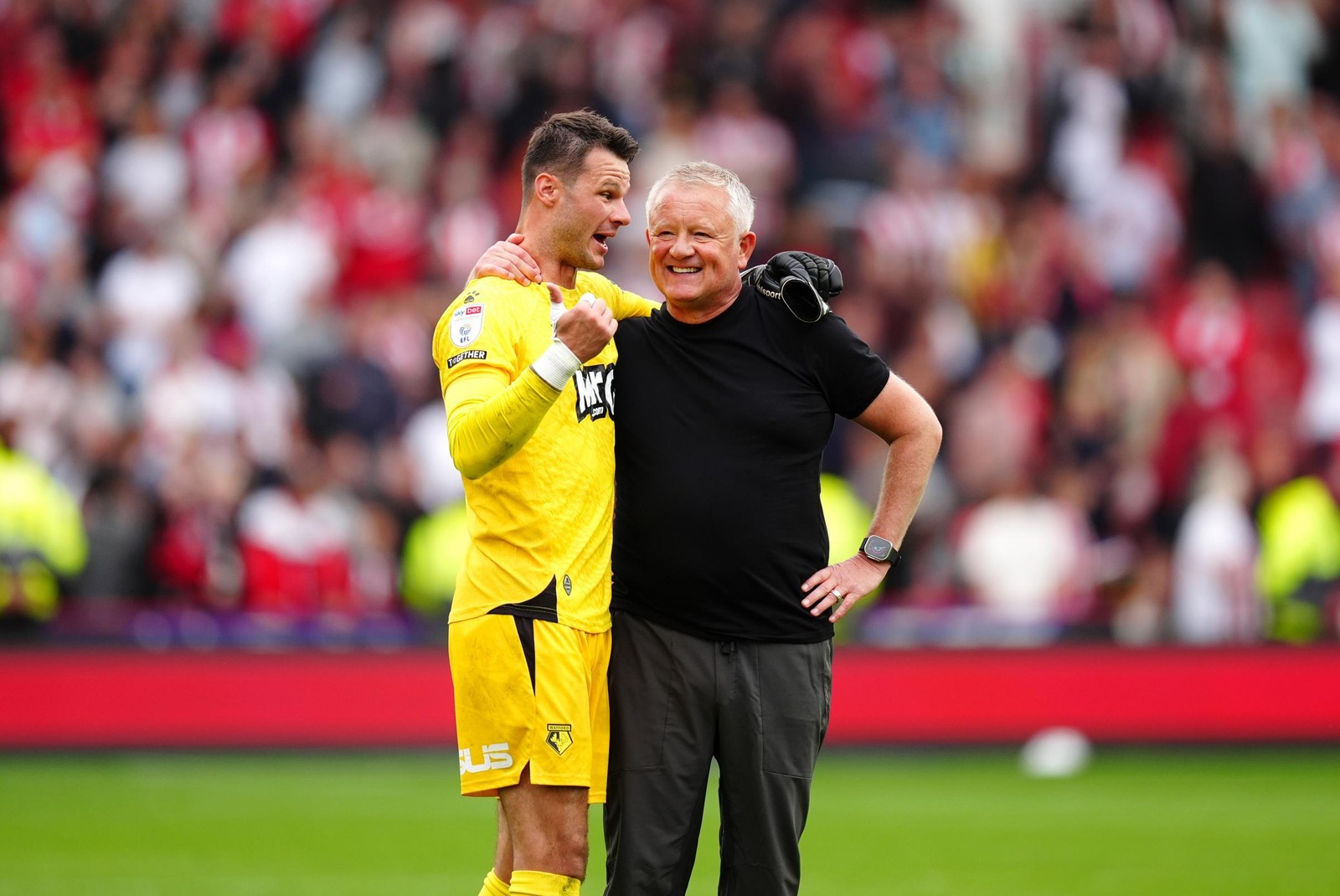

So I saw from the inside, how a top staff operates, you know with Chris, Alan Knill and Mark Prestwich, And that that was really key learning for me.
So yeah, during my time, my last four years, as a player, you're building up these experiences maybe seeing it through a coaching perspective, a bit more with a direction to one day being a coach.
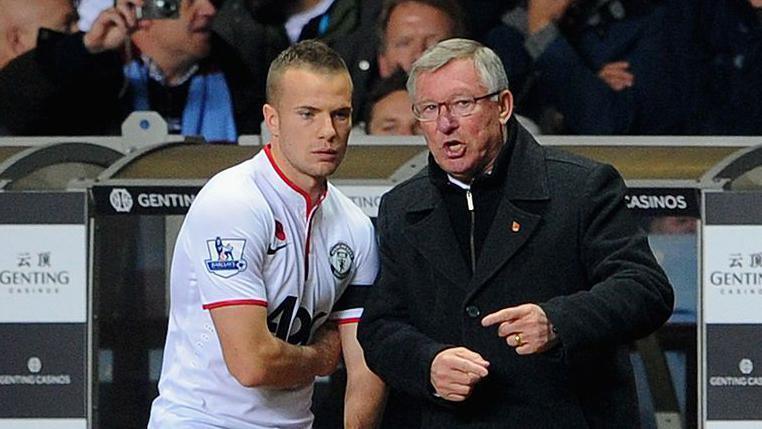
The most famous of all was Alex Ferguson but was he, with his longevity and success, something of an anomaly?
Sir Alex is a manager. He manages a whole organisation as well as 25 International players. I only saw him after he had been there 20 odd years as the manager and by that time, he had the respect of everyone and the club operates like clockwork. What you take out of it is how many times he rebuilt that team or re-energized that team --his winning mentality, his standards, his discipline.
The real gems that I took from him was how he got the best out of his players and the league titles have not been back to Manchester since.
The pressure of playing for Manchester United could stand you in good stead as a coach.
Honestly. I used to get butterflies as a player and a few nerves but as a coach I feel a lot more calm. I care and I want to win probably more than when I was a player but there’s an element of we've ticked absolutely every box and would never leave any stones unturned in our preparation.
There’s a real sense of calmness. When I see a team walk over that line, now you've got to be alert to be able to adapt in game and substitutions and anything tactical but I do feel very calm as a coach

You saw after Sir Alex left how quickly, things can change in football. Does seeing those different situations help?
On the one hand, that’s why we like, why we love, football, it gives you those extreme feelings of highs and lows but on the other hand, it’s really important, certainly as the leader of the team, to not let yourself get too high emotionally or too low emotionally.
I think that's one thing I was good at through the difficult period at Argyle this season. Never once, did I come in like the world's on my shoulders, never once did I think it was the worst period of my career and what I was thinking is how can I focus myself and the players to, to do our best to get out of it, to win the next game to make sure the next training session is fully prepared and keep a real focus of what each what you can get out of it every day.
Now, that comes from I think those playing experiences where you're in, hugely pressurised situations and a good result or bad result, can't change your mentality for the next game.
How do you coach players who maybe are not as good as you were?
I'll never see it like that, you know, I think I'm a football purist that there were some things before this season, I had to learn about League one, and I put the work in to do that. Experiencing half the season of it can only give you more and more knowledge. But every player of every team was thoroughly researched and watched.
You come up against teams in the championship that are a bit more direct. Now maybe a percentage of the teams in this league, that is higher –playing direct football.
You value both boxes more. Have you got a set piece specialist? Have you got someone who can attack the ball from set pieces?
These are all things that in this league are important, but in terms of coaching, I still have the passion, the knowledge to be able to connect with these guys and I want the best for them and our team.
The Premier League is changing now, becoming more direct with long throws and more focus on set pieces. Is that something you've noticed in League One?
For me football's football. I coach to get the best out of my players. I'm not the kind of coach that is stuck to one system. I think it's about analysing what are your strengths in your squad? How do you play to those the best with a consistent set of principles? I think for me, intensity is a non-negotiable. It's really difficult in modern day football to be a successful team, who aren't intense.
Set pieces are becoming more important, like you said, long throws are coming back in. Teams are becoming so good at pressing and intense at pressing and structured and detail that's been coached in a press. It’s becoming very difficult to build out with more reward than risk.
These are all balances that you have to think of and for me, yeah, football is becoming more about being effective than attractive.
So you are a pragmatic coach but, in an ideal situation, how would you like to play football?
I'm a back four coach, whether that's 4321, 442, 433. If you're not gonna dominate possession and you've not got really attacking wingers, then 433 could leave you quite open. If you've got safe ball players in possession and really exciting wingers, then I like 433.
The big thing about my teams is you should always look intense, full of energy, willing to counter press when the time's right high press.
It was all about entertaining football where I grew up, and that's ultimately what I want to do.
Now sometimes you have to adapt to what you've got, your circumstances, your resources.
And that's what I'll always do. I will always do the best by my players to get the very best out of them, to protect them, to get to try and do my best to win for them.
What’s the biggest difference between the championship and League One?
I'd say in the championship, a third of the teams are direct, and it's probably in League One, two thirds. I think obviously the quality of play and whether that be from a technical aspect or a physical aspect. I always feel like when you go from Premier League to Championship or Championship to League One, how many mistakes are punished is, how you can see.
In the Premier League, you give the ball away, it can be in the back of the net in five seconds in the championship, maybe within 10 seconds and maybe 50% of the time in League One, maybe less percentage and more time transition. It’s less punishing but it's a really competitive league.
Lots of different challenges. I love coaching against the different styles and I'm enjoying working with this group of players.
How much difference do you think in League one does coaching make?
Huge, some would argue more. When you're working with the Champions League teams, you’ve got about eight onfield, coaches, some of the best decision makers in the world. The further down, you go, I’d say the more impact you’ve got.
What the top coaches are doing, they have to manage huge organisations. They have to manage the, the characters of the best players in the world. Obviously, it is a bit of a game of chess as well.
So, they are master tacticians, but in terms of individual coaching and decision-making, I think the further down you go, the bigger influence you can have.
Your playing career helps you with the players because they can look at you as you know, successful player. It's like give you a bit more authority?
I will never take for granted that that automatically makes me a good coach. I think people would tell you my work rate would mirror that.
I will do absolutely everything to help the players but I think past experiences do help, not only the respect, you get off the players but there is 17 to 20 years, and if you go back to the academy, almost 25 years working at elite level of English football.
I know data is a rapidly growing part of football, but there are not many databases that can swap for that experience and how to manage certain situations. And I've seen that before, this is how to get the best out of this situation. It certainly does help but I’m not saying that people who don't have that career, can't go on to be the best coach in the world.
Ultimately, players need to see that you know what you are doing on the training pitch
Absolutely, you need to work hard, you need to show players that you care for them. You need to be talented at what you do. I think coaching's not just about having the knowledge, it is about how do you portray that, how do you teach that towards a certain direction and get everyone pulling in that direction?
These are all what separate the top coaches in the world. Because there's a lot of people who are doing all the courses and have got the knowledge but getting 25 International players, pulling in the same direction and showing that direction every Saturday is the art.